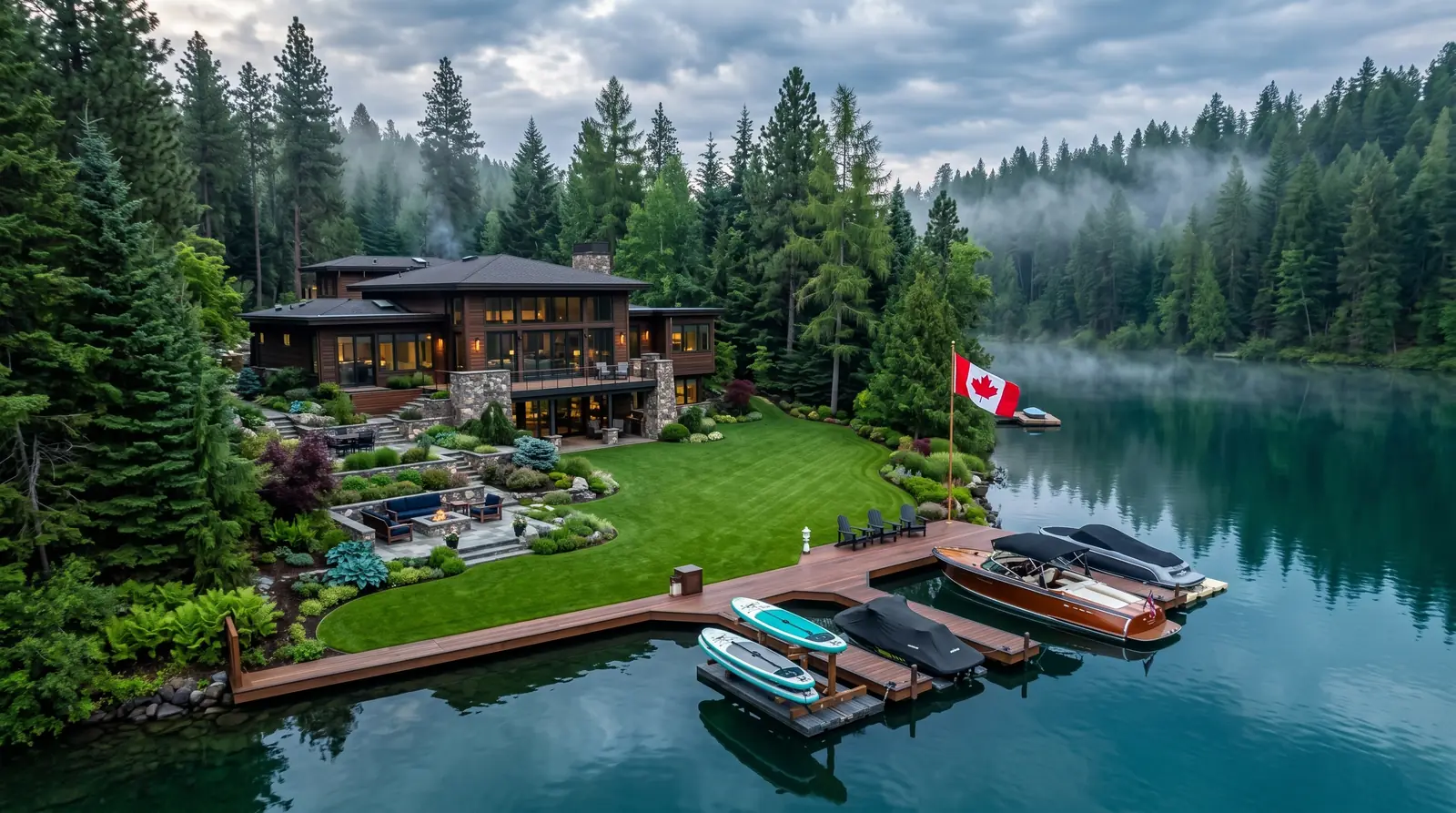
With the dock out of the water and stacked for the winter, it’s easy to forget about it until April. But the quiet months are the best time to decide what you want to change. If you plan upgrades now, they can go in when the dock goes back in, instead of halfway through the summer.
This guide walks through the upgrades Collingwood, Blue Mountains and Wasaga Beach owners most often ask about, what to think about for each one, and how to get your plans ready before spring bookings fill up.
Why winter is the right time to plan
Spring is the busiest time of year for dock work on southern Georgian Bay. Installation usually happens a few weeks after ice-out, and everyone wants their dock in for the May long weekend. If you call in May with a list of changes, parts may need to be ordered and the work can slip into summer.
Planning over winter has a few advantages:
- You can look at the sections up close. Stacked on shore, it’s easy to see worn brackets, loose boards and missing hardware.
- Parts and materials can be ordered ahead. Ladders, lift kits, floats and lighting often come from suppliers with their own lead times.
- Upgrades can be done at installation. It’s simpler and usually cheaper to add a section or swap hardware when the dock is going in anyway.
- You have time to check rules. Bigger changes, like a longer or wider dock, may need approval. Winter gives you time to ask.
Safety upgrades worth putting first
A proper swim ladder
If your current ladder is short, wobbly or hard to climb, it’s one of the most useful upgrades you can make. Things to look for:
- Enough steps to reach well below the surface, so swimmers can get a foot on easily
- Wide, flat treads rather than round rungs
- A ladder that flips up or lifts out, so it isn’t damaged by waves or ice
- Solid mounting to the frame, not just to the decking
On shallow, sandy shorelines like much of Wasaga Beach, a ladder may matter less at the shore end and more at the deep end where people swim off.
Lighting
Low, downward-facing lights along the edges make it much safer to walk the dock after dark. Solar lights avoid running power to the water. If you want wired lighting, that’s a job for a licensed electrician, and it’s worth planning before installation so cables can be run neatly.
Keep lights low and pointed down. Bright lights shining out over the water bother neighbours and boaters.
Non-slip surfaces
Older wood decking can get slick with algae and spray. Depending on what your dock is made of, options include replacing worn boards, adding grip strips or switching sections to a textured surface. If the whole deck is tired, that’s a bigger decision about decking material and worth a separate conversation.
Boating upgrades
Cleats, bumpers and dock edging
If you keep a boat at the dock, good cleats in the right places make tying up easier and safer. Look at where the boat actually sits when it’s tied up, not where the cleats happen to be. Add bumpers or edge guards along the side where the boat rubs, especially on docks that get chop from passing traffic or west winds across Nottawasaga Bay.
More space for the boat
Many owners find the dock that came with the cottage is too narrow or too short for the boat they have now. Common changes include:
- Adding an L or T section at the end for a second boat or a better landing spot
- Widening the end section so it’s easier to step on and off
- Adding a section to reach deeper water as levels change
Longer or wider docks may need approval. Check with your municipality and the province before you commit, especially for permanent structures. Floating sections are often simpler to add than fixed ones.
Boat lift or PWC lift
A boat lift keeps the hull out of the water and off the dock in rough weather. A personal watercraft lift or ramp does the same for smaller craft. If you’re thinking about one, decide over winter so the lift can be ordered and set up during dock installation. Lifts on open water usually come out for the winter, so plan where it will be stored.
Comfort and everyday use
These are the upgrades that make the dock a place people want to spend time:
- A seating area or bench built into the frame
- A wider platform for chairs, a table or sunbathing
- Kayak and paddleboard racks so gear isn’t left on the deck
- A canoe or kayak launch that makes getting in and out easier from a low height
- Shade options like an umbrella mount
Think about how your family actually uses the dock. If the grandkids mostly swim and paddle, a ladder and a launch may matter more than a bigger platform.
Repairs to fix at the same time
Upgrades are a good time to deal with anything that’s worn. While the sections are on shore, look for:
- Cracked or rusted brackets and connectors
- Bent legs, posts or pads
- Soft, split or loose boards
- Floats that sit low or are damaged
- Missing bolts and pins
It makes little sense to add a new section to a frame that’s already struggling. Booking dock repair at the same time as your upgrades means everything goes back in sound.
Local things to keep in mind
Collingwood. Much of the shoreline is flat and rocky, which affects what kind of legs and pads work and how stable a fixed dock will be. Docks near the harbour and Lighthouse Point can see waves from passing boats and open-water winds.
The Blue Mountains. From Craigleith to Thornbury and Clarksburg, many properties are second homes used in summer and winter. If you’re rarely there in spring, plan upgrades early so the work can be done without you on site. See dock services in The Blue Mountains.
Wasaga Beach. Long, shallow, sandy shorelines mean docks often need extra length to reach usable depth. Water levels on Georgian Bay change from year to year, so a design that works this season may need adjusting later.
For local notes, see dock services in Collingwood.
How to get ready before spring
- Walk around the stacked sections and write down anything worn or damaged.
- Take photos and measurements of the current dock and the shoreline.
- Make a wish list and rank it: safety first, then boating, then comfort.
- Ask about approvals for any change to size or shape.
- Get quotes in late winter so materials can be ordered.
- Book your spring installation with the upgrades included.
Every dock is different, so there’s no set price for upgrades. Cost depends on materials, the size of the change, your shoreline and how easy the site is to reach. A walk-through or photos will get you a real quote. See dock upgrades for more on what’s involved.
Quick answers
When should I plan dock upgrades on Georgian Bay?
Over the winter, ideally by late February or March. That leaves time to get quotes, check approvals and order parts before spring installation, which usually happens a few weeks after ice-out.
Can upgrades be added when the dock goes back in?
Yes, and that’s usually the easiest time. New sections, ladders, cleats, bumpers and many lift kits can be added during installation, so there’s only one visit.
Do I need approval to make my dock bigger?
Possibly. Changing the size or shape of a dock, or adding a permanent structure, may need approval from your municipality, the province or both. Check before you commit to a plan, especially for fixed docks.
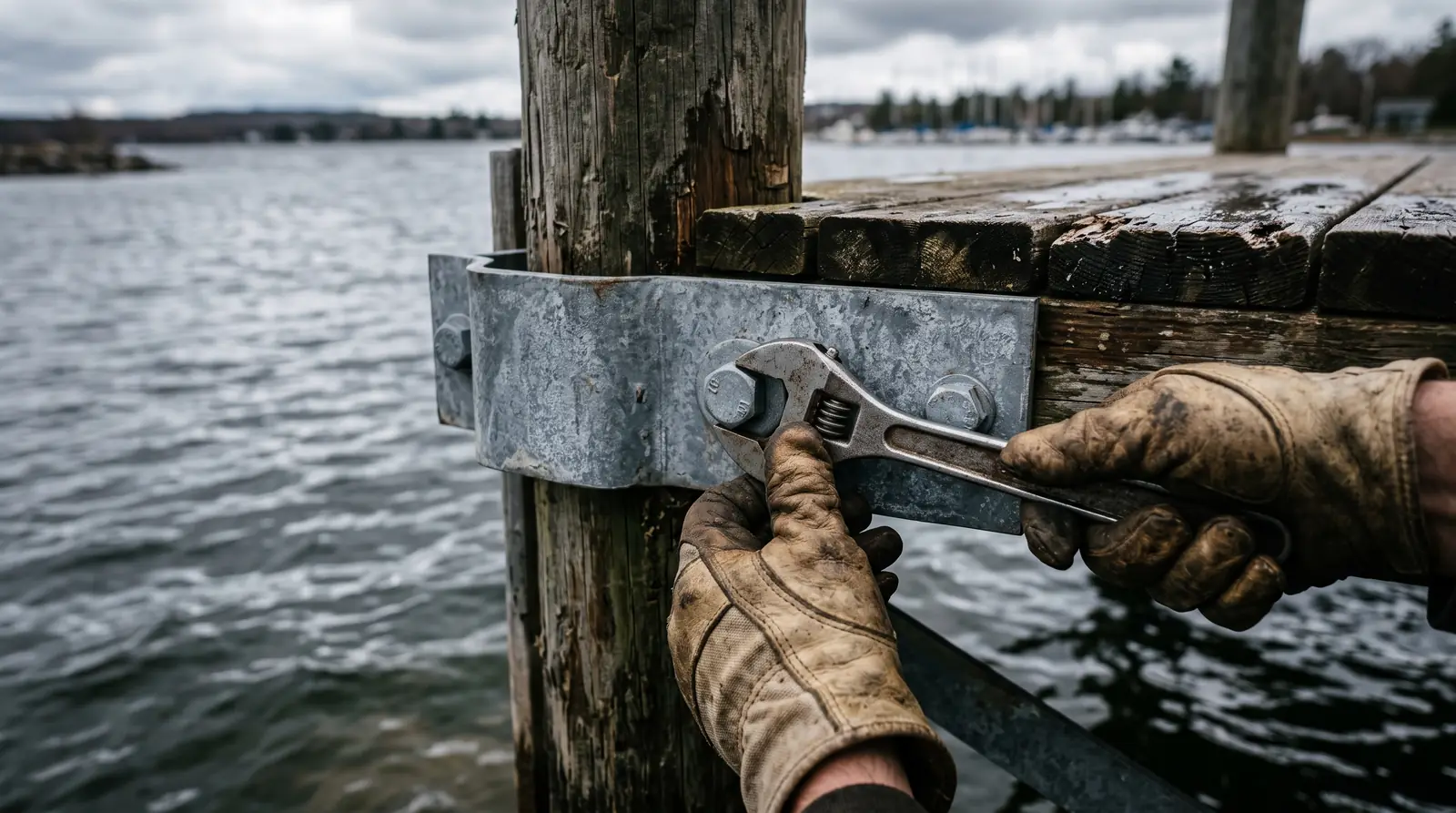 Dock repair
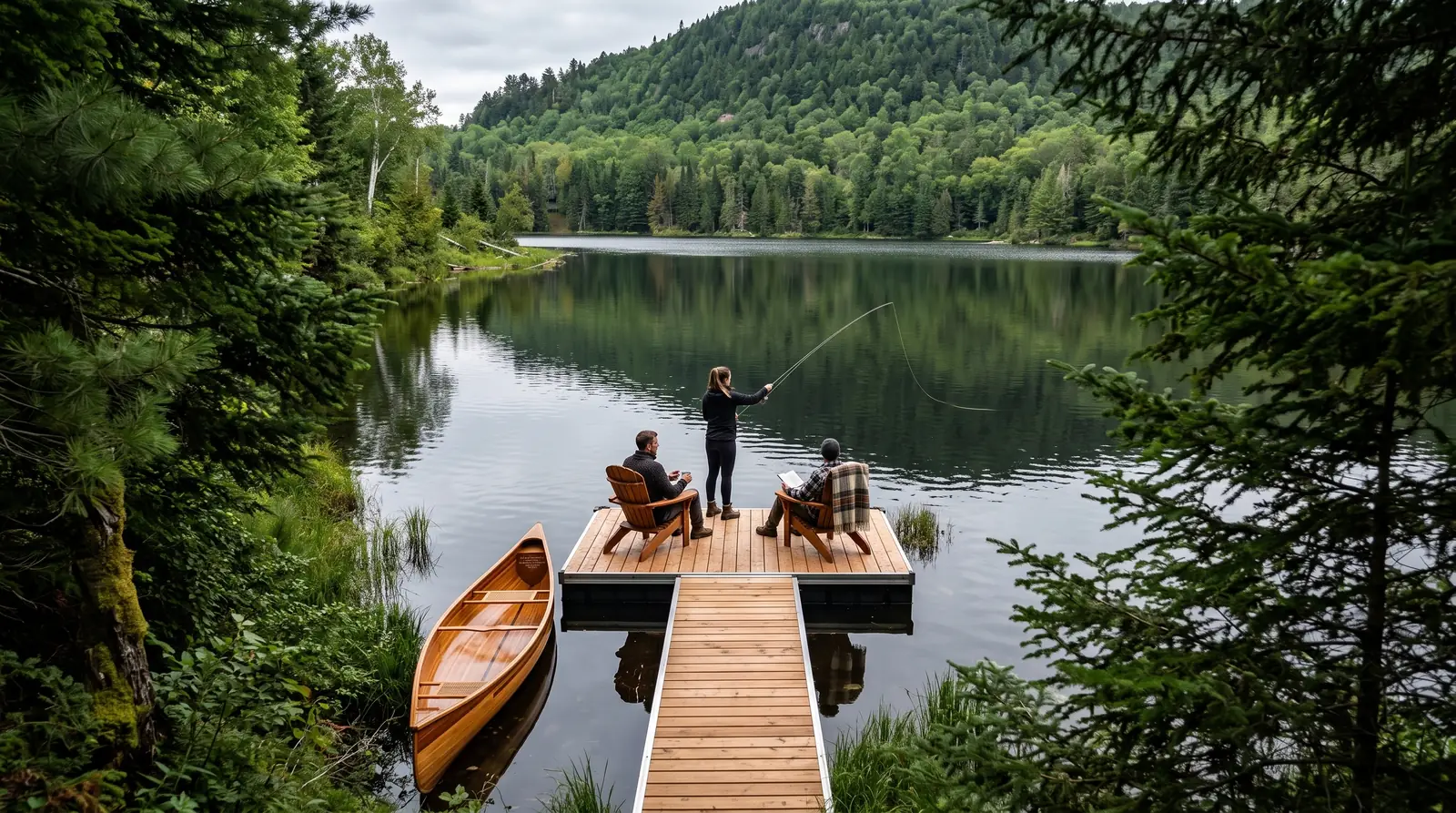 Spring dock installation